
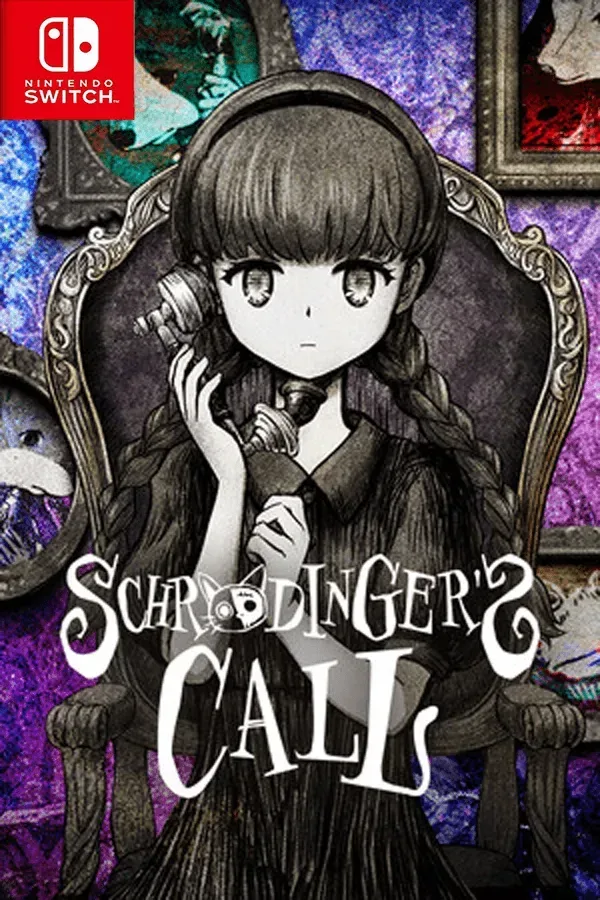
Schrödinger’s Call Update (Latest v2026 Build) Patch Notes, DLC List & Safe Upgrade Guide Free Download Romslabs
Schrödinger’s Call (Latest v2026 Build) Update Summary: The latest Latest v2026 Build release of Schrödinger’s Call bundles all cumulative hotfixes, shader & frame-pacing improvements, controller compatibility patches, and unlocked DLC packages in a single verified download.
→ Download Schrödinger’s Call (Latest v2026 Build) Full Updated Release
What's Included in Schrödinger’s Call (Latest v2026 Build)
Schrödinger’s Call Update Patch Notes, DLC List & Safe Upgrade Guide is a Nintendo Switch game for Windows / macOS / Linux / Android / iOS. This tested release includes v1.0 with an estimated download size of 3 GB. Provided in clean NSP/XCI format, verified working on genuine custom firmware (Atmosphere) and PC emulators (Ryujinx/Sudachi).
- Cumulative Patch Rollup: Includes all official stability patches, bug fixes, and balance updates released through build Latest v2026 Build.
- Performance & Frame Pacing: Improved shader caching, reduced VRAM memory leaks, and smoother frame delivery on both desktop GPUs and handheld devices.
- Safe Save Migration: Upgrading from an older build of Schrödinger’s Call retains your existing profile and local save progress automatically.
- Related Pages: Full Game Download | How to Install | System Requirements | Troubleshooting Fixes
Schrödinger’s Call Switch NSP/XCI Free Download Romslab
Schrödinger’s Call emerges as a poignant narrative adventure exclusively crafted for the Nintendo Switch, blending the emotional depth of visual novels with the intimate portability of handheld gaming. Developed by Acrobatic Chirimenjako and published by SHUEISHA GAMES, this title invites players into a melancholic yet beautifully rendered world where every choice resonates with the weight of finality. The game’s hand-drawn aesthetic and picture-book presentation make it an ideal fit for the Switch’s OLED screen, where its soft watercolor visuals and delicate animations come to life with remarkable clarity. Whether played in handheld mode during a quiet evening or docked for a more immersive experience, Schrödinger’s Call uses the Switch’s hybrid design to create a deeply personal journey through themes of regret, connection, and closure. Its unique premise—centering on a protagonist who becomes the last confidant for souls trapped between life and death—sets it apart in a crowded genre, offering a meditative experience that lingers long after the final call is made. As a narrative-driven title that prioritizes emotional storytelling over traditional gameplay mechanics, it stands as a testament to the power of interactive fiction, making it one of the most compelling additions to Romslab Puzzle Strategy Games.
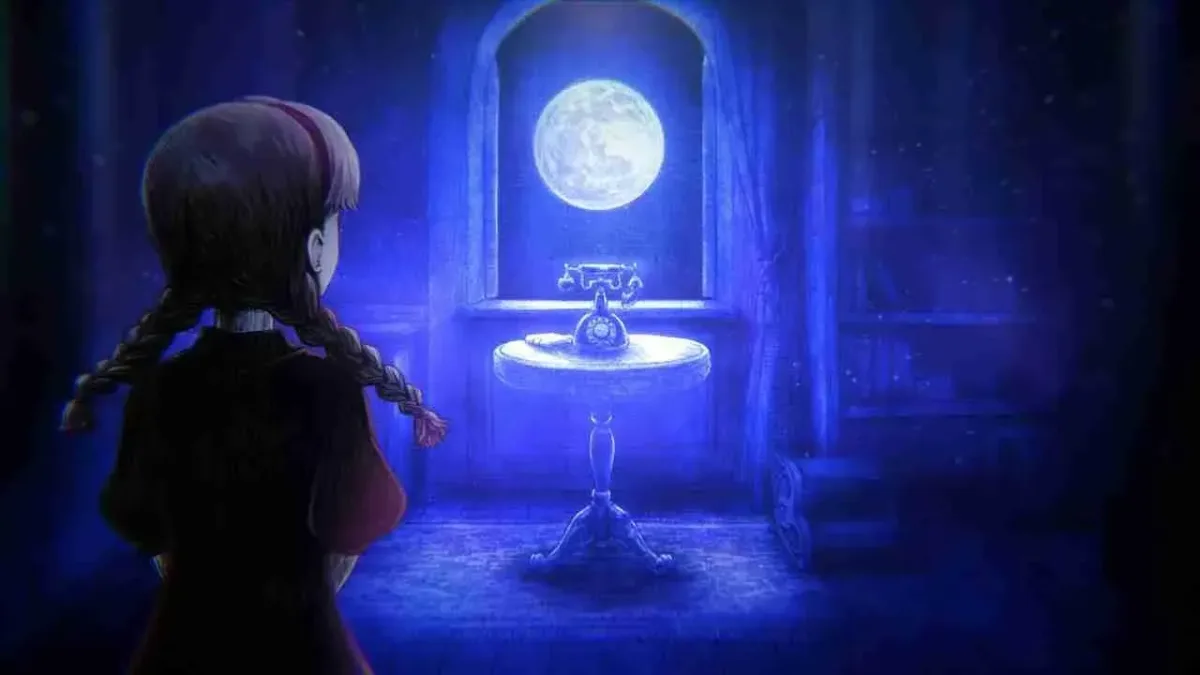
The world of Schrödinger’s Call unfolds like a dream half-remembered, where the boundaries between life and death blur into a surreal tapestry of watercolor landscapes and ethereal soundscapes. Players step into the role of Mary, a young woman who awakens in an unfamiliar room with no memory of her past, only to discover that the world is mere moments away from annihilation. Guided by Hamlet, a cryptic feline companion, Mary assumes the role of the “World’s Last Confidant,” using a solitary phone to connect with souls who have yet to cross over. The game’s setting is a masterclass in minimalist storytelling, where every environment—from dimly lit parlors to moonlit gardens—feels both intimate and otherworldly. The Switch’s handheld mode enhances this immersion, allowing players to experience the game’s delicate art style and subtle animations with unparalleled clarity, particularly on the OLED model where colors pop with vibrancy. Resolution scaling remains sharp in both docked and handheld modes, ensuring that the game’s hand-drawn details and text remain legible even during the most emotionally charged moments. The atmospheric soundtrack, designed to evoke a sense of quiet urgency, benefits from the Switch’s audio capabilities, creating an experience that feels tailor-made for solitary play sessions.
Schrödinger’s Call – Main Features (Nintendo Switch Version)
- Genre: Narrative Adventure, Visual Novel
- Play Styles: TV / Tabletop / Handheld
- Players: Single-player
- Control Support: Joy-Con / Pro Controller / Touch (for menu navigation)
- Release Year: 2026
- Developer: Acrobatic Chirimenjako
- Publisher: SHUEISHA GAMES
- Engine: Proprietary visual novel engine
- File Size: 3 GB
- Save Data: Cloud Save Supported (Nintendo Switch Online required)
- Amiibo: Not Supported
Schrödinger’s Call distinguishes itself through its innovative gameplay loop, which blends traditional visual novel storytelling with light puzzle-solving elements and a unique “phone call” mechanic. Players navigate Mary’s journey by answering calls from souls trapped in limbo, each conversation branching based on the player’s choices and the emotions they choose to emphasize. The game’s core system revolves around listening to these voices, transcribing their regrets, and guiding them toward closure before the world ends. The Switch’s touchscreen functionality is subtly integrated, allowing players to swipe through dialogue options or tap to advance text, though the game remains fully playable with traditional controls for those who prefer a more tactile experience. Motion controls are not utilized, ensuring a consistent experience across all play styles. The game’s narrative structure is divided into chapters, each focusing on a different soul and their unresolved story, with the player’s choices subtly influencing Mary’s own emotional arc. The inclusion of the “Twenty-One Nanoseconds” mechanic—a recurring countdown that heightens the urgency of each call—adds a layer of tension that keeps players engaged even during the game’s more contemplative moments. The Switch’s portability is a perfect match for Schrödinger’s Call, as its episodic structure encourages short, frequent play sessions, making it ideal for commutes or late-night gaming marathons.
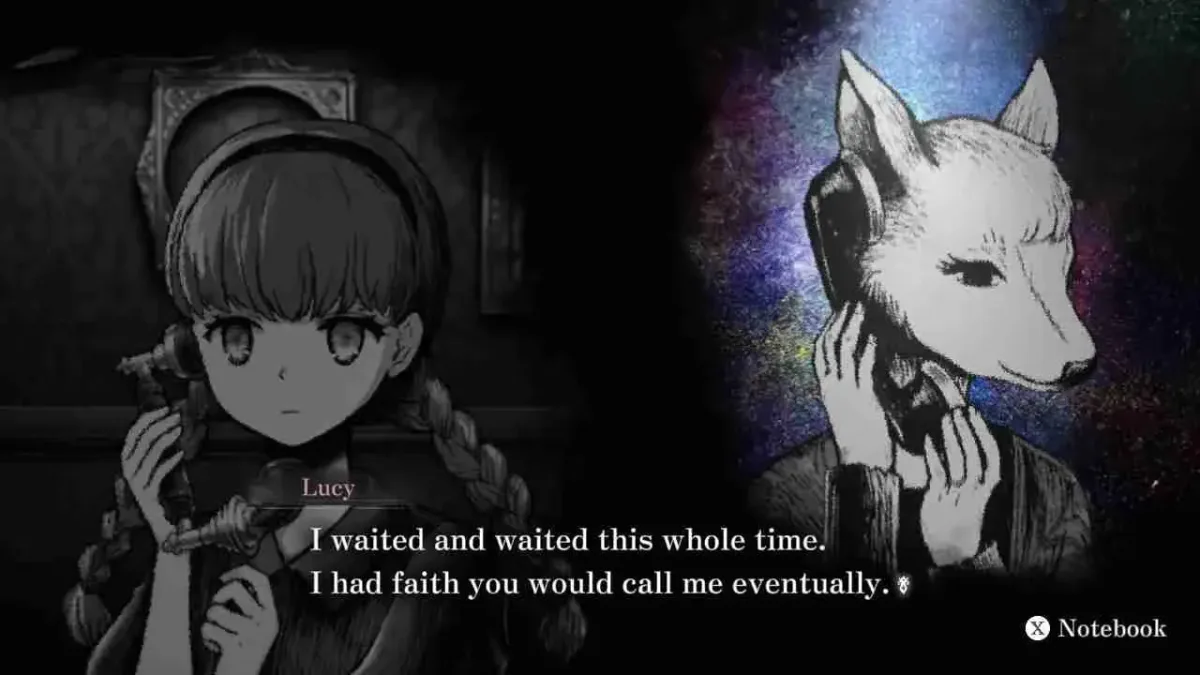
The Nintendo Switch version of Schrödinger’s Call delivers a smooth experience across all play modes, with no discernible differences in performance between docked and handheld configurations. The game maintains a consistent 30 frames per second in both modes, with resolution scaling dynamically adjusting to ensure smooth visuals—1080p in docked mode and 720p in handheld. Text remains crisp and legible at all times, a critical feature for a narrative-heavy title where every word carries emotional weight. The game’s UI is optimized for the Switch’s screen, with dialogue boxes and menu options sized appropriately for handheld play, though the OLED model’s improved contrast makes the game’s watercolor backgrounds and subtle animations even more striking. Cloud save support ensures that players can smoothly transition between the Switch and Switch Lite, or even between multiple consoles, without losing progress. While the game does not support local or online multiplayer, its single-player focus is intentional, fostering a deeply personal connection between the player and the stories being told. The game’s file size of 3 GB is modest by modern standards, leaving ample room for additional content, including future DLC expansions that may expand on the game’s already rich narrative.
Schrödinger’s Call – Story, World & Lore
At the heart of Schrödinger’s Call lies a narrative that is as philosophically profound as it is emotionally resonant. The game’s story begins with a simple yet devastating premise: the moon is falling, and the world has only twenty-one nanoseconds left before everything is obliterated. Within this fleeting window of time, players assume the role of Mary, a young woman who awakens in a mysterious room with no memory of her past. Her only companion is Hamlet, a talking cat who reveals that Mary has been chosen as the “World’s Last Confidant”—a guide for souls who have yet to accept their fate. Through a series of phone calls, Mary listens to the regrets, unspoken words, and final confessions of these lost souls, each conversation unfolding like a chapter in a tragic anthology. The game’s title itself is a nod to Schrödinger’s famous thought experiment, reflecting the duality of life and death that permeates every aspect of the story. As Mary transcribes these final messages, she begins to piece together not only the stories of those she speaks to but also fragments of her own forgotten past, blurring the line between observer and participant. The narrative is structured around a series of vignettes, each focusing on a different soul and their unique circumstances, from a scientist who regrets never publishing their research to a parent who longs to see their child one last time. These stories are interconnected by Mary’s own emotional journey, as she grapples with the weight of her role and the inevitability of the world’s end.
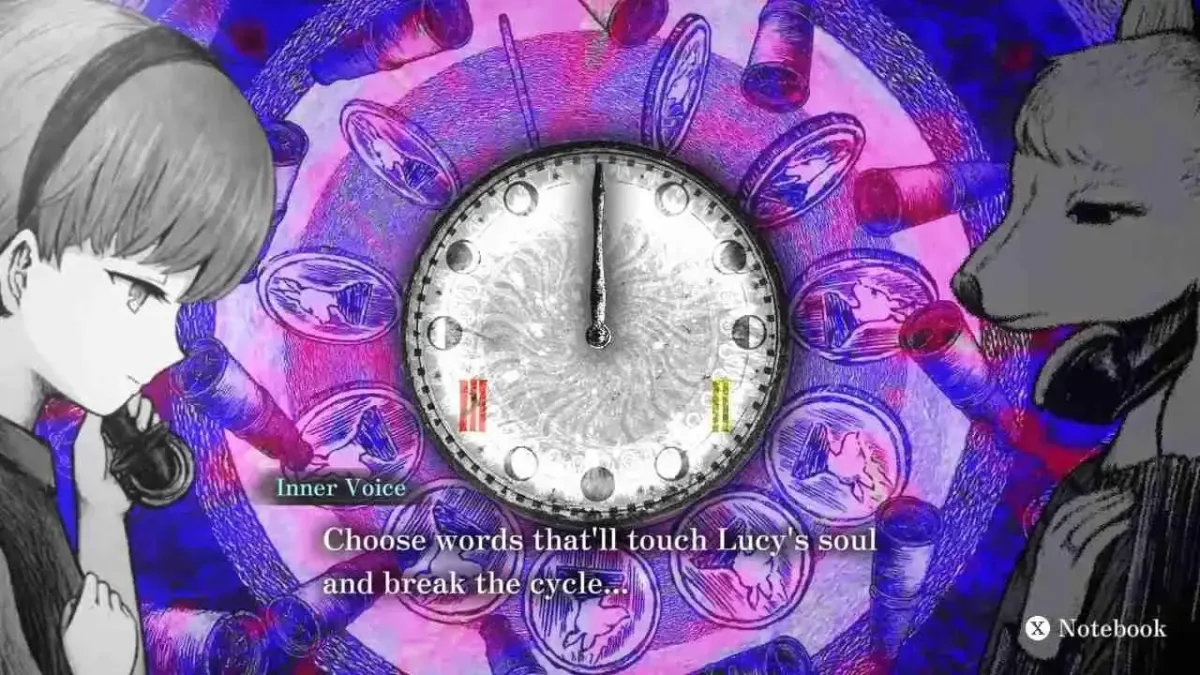
The lore of Schrödinger’s Call is rich with symbolism and thematic depth, drawing inspiration from a variety of philosophical and literary traditions. The game’s world is a surreal blend of the mundane and the fantastical, where everyday objects—like the phone Mary uses to communicate with the souls—take on profound significance. The falling moon, a central motif, serves as both a literal and metaphorical countdown, representing the inexorable passage of time and the fragility of human existence. The game’s setting is deliberately ambiguous, with environments that shift subtly based on the emotions of the characters Mary interacts with. A conversation filled with regret might take place in a dimly lit study, while a call brimming with hope could unfold in a sunlit garden, the surroundings reflecting the internal state of the soul on the other end of the line. The game’s lore also explores the concept of liminal spaces, with many scenes taking place in transitional areas like train stations, bridges, or doorways, symbolizing the souls’ suspended state between life and death. Hamlet, the enigmatic cat who guides Mary, is a recurring figure in the game’s mythology, often appearing at pivotal moments to offer cryptic advice or pose philosophical questions. His presence adds a layer of mystery to the narrative, as players are left to interpret whether he is a guardian, a trickster, or something else entirely. The game’s Switch version enhances this immersive experience, with the handheld mode allowing players to feel as though they are holding the story in their hands, literally and figuratively, as they navigate Mary’s journey.
Gameplay Mechanics – How Schrödinger’s Call Plays on Nintendo Switch
Schrödinger’s Call redefines the visual novel genre by introducing a gameplay loop that is as emotionally engaging as it is mechanically innovative. At its core, the game revolves around the act of listening—players must carefully absorb the stories of the souls who call Mary, paying attention to the nuances of their speech and the emotions underlying their words. Each phone call is structured like a branching dialogue tree, where the player’s choices determine not only the outcome of the conversation but also the emotional tone of the interaction. For example, a soul expressing regret over a missed opportunity might respond differently if the player chooses to offer sympathy rather than encouragement, subtly altering the direction of the narrative. The game’s “Twenty-One Nanoseconds” mechanic adds a layer of urgency to these interactions, as players must guide each soul to closure before the countdown expires. This system is elegantly integrated into the gameplay, with the countdown displayed as a faint, pulsing glow around the edges of the screen, ensuring it never distracts from the story but always reminds the player of the stakes. The Switch’s touchscreen functionality enhances this experience, allowing players to swipe through dialogue options or tap to select responses, though the game remains fully playable with the Joy-Con or Pro Controller for those who prefer traditional inputs. The game also incorporates light puzzle-solving elements, such as deciphering cryptic messages or arranging objects in a specific order to unlock new story paths, though these mechanics are always secondary to the narrative. The Switch’s portability is particularly well-suited to Schrödinger’s Call, as its episodic structure encourages players to engage with the game in short, meaningful sessions, whether during a commute or a quiet moment at home.
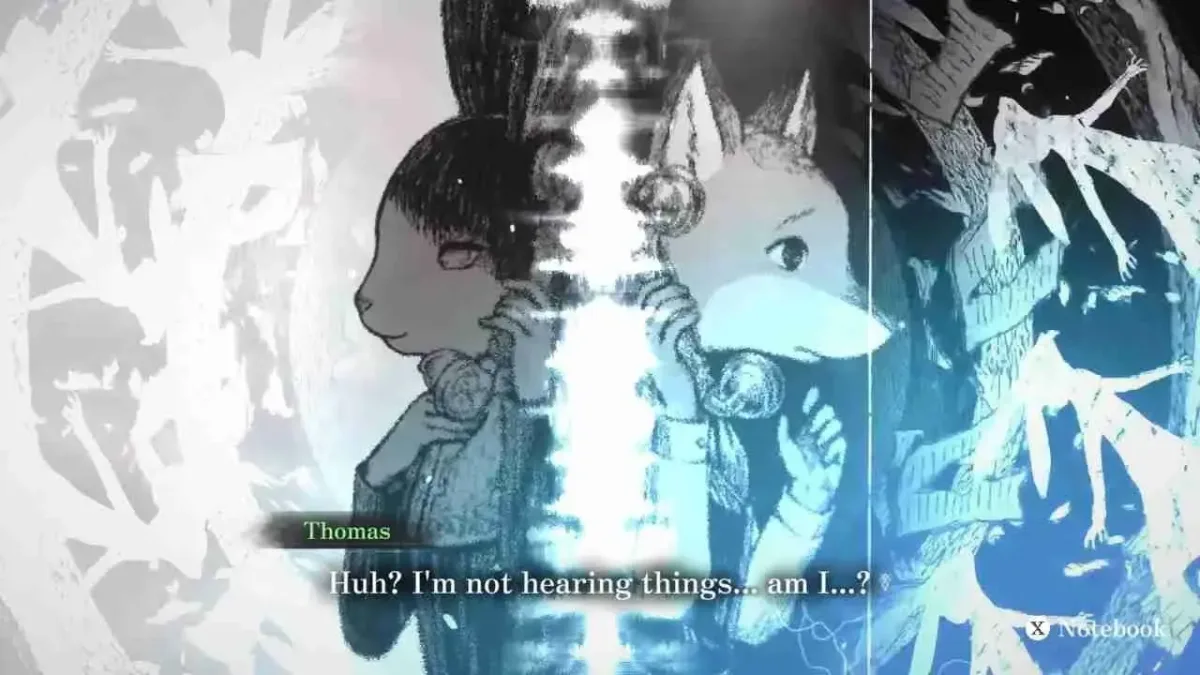
The replay value of Schrödinger’s Call is substantial, driven by its branching narrative and the emotional weight of its choices. Each playthrough reveals new layers of the story, as players experiment with different dialogue options to uncover hidden regrets or alternate endings for the souls they encounter. The game’s chapter-based structure makes it easy to revisit specific stories, with a built-in journal system allowing players to review past conversations and track their progress. While the base game does not include multiple difficulty modes, its narrative depth ensures that each playthrough feels fresh and emotionally impactful. The game’s file size of 3 GB leaves room for additional content, and future DLC expansions could introduce new souls, storylines, or even alternate perspectives on the events leading up to the world’s end. For example, a hypothetical DLC pack titled “Echoes of the Past” might explore the backstories of Mary’s lost memories, offering players a deeper understanding of her role as the World’s Last Confidant. The Switch’s cloud save functionality ensures that players can smoothly transition between devices, making it easy to pick up where they left off, whether they’re playing on the couch or on the go. Ultimately, Schrödinger’s Call is a game that rewards patience and introspection, offering a deeply personal experience that feels tailor-made for the Nintendo Switch’s hybrid design.
Why You Should Play Schrödinger’s Call on Nintendo Switch
- Portability for Emotional Journeys: The Switch’s handheld mode is perfect for a narrative-driven experience like Schrödinger’s Call, allowing players to immerse themselves in its story during commutes, travel, or quiet moments at home without sacrificing visual fidelity or emotional impact.
- OLED Screen Enhancement: The game’s watercolor art style and subtle animations look stunning on the Switch OLED’s vibrant display, where colors pop with depth and contrast, making every scene feel like a living painting.
- Hybrid Play Flexibility: smoothly transition between docked and handheld modes without losing progress, thanks to the Switch’s hybrid design, ensuring the game adapts to your lifestyle and play preferences.
- Touchscreen Integration: The game’s phone interface and dialogue options are optimized for touch controls, offering a more intuitive and immersive way to interact with the story, though traditional controls remain fully supported.
- Cloud Save Convenience: With Nintendo Switch Online, your progress is automatically saved to the cloud, allowing you to pick up right where you left off, even if you switch between multiple consoles or the Switch Lite.
- Episodic Structure for Short Sessions: The game’s chapter-based design makes it ideal for short, frequent play sessions, perfect for players who want to experience a meaningful story without committing to long gaming marathons.
- Emotional Storytelling at Your Fingertips: The intimate nature of the Switch’s handheld mode creates a personal connection between the player and the game’s narrative, making the emotional weight of each phone call feel even more profound.
- No Performance Compromises: Whether played in docked or handheld mode, Schrödinger’s Call maintains a consistent 30 FPS and sharp resolution scaling, ensuring a smooth and visually stunning experience in any configuration.
- Language Accessibility: With support for Japanese, Simplified Chinese, Traditional Chinese, and American English, the game caters to a diverse audience, making its poignant story accessible to players around the world.
- Future-Proof Design: The game’s modest file size and cloud save support ensure it remains a timeless addition to your Switch library, with potential for future DLC expansions to enrich the experience even further.
If you like Schrödinger\’s Call, these games will be perfect for you:
All DLC, Expansion Packs & Extra Content Included
This Nintendo Switch edition of Schrödinger’s Call includes all currently available updates and extra content. Verified DLC items are listed below.
| Type | Name | Region | Version / Build | Status |
|---|---|---|---|---|
| Patch | Day-One Patch (v1.0.1) | Global | v1.0.1 | Integrated |
| Other | Bonus Content / Required Packages | – | – | Included |
Schrödinger’s Call – Nintendo Switch Technical Information
Switch Technical Specs - Schrödinger's Call
- Resolution (Docked): Up to 1080p
- Resolution (Handheld): Up to 720p
- Performance: 30 FPS (stable in both docked and handheld modes)
- File Size: 3 GB
- Supported Play Modes: TV / Tabletop / Handheld
- Controllers: Joy-Cons / Pro Controller
- Motion Controls: Not Supported
- Touchscreen: Yes (for menu navigation and dialogue selection)
Schrödinger's Call - Official Nintendo Switch Trailer
Language & Region Settings for Schrödinger's Call
System Language: Nintendo Switch games—including Schrödinger's Call—follow the console's language and region settings.
- Open System Settings > System > Language.
- Switch the system language (e.g., English, Japanese).
- Some titles may adjust content based on System > Region.
Supported languages for this game include Japanese, Simplified Chinese, Traditional Chinese, and American English. If a language is not listed, it is not available in this version.
Schrödinger’s Call – Nintendo Switch FAQ
Is this the latest version on Nintendo Switch?
Yes, this version of Schrödinger’s Call includes the day-one patch (v1.0.1), which addresses minor performance optimizations and ensures compatibility with all Nintendo Switch models, including the Switch Lite and Switch OLED. The game is fully up-to-date with all currently available updates.
Does Schrödinger’s Call support local or online multiplayer?
Schrödinger’s Call is a single-player experience and does not support local or online multiplayer modes. The game is designed to be a deeply personal and introspective journey, focusing on the emotional connection between the player and the narrative.
Are all DLC and expansions included?
As of its release, Schrödinger’s Call does not have any announced DLC or expansion packs. The base game includes all currently available content, and any future updates or additional content will be integrated into the game as they become available. The game’s file size and structure leave ample room for potential expansions, should the developers choose to release them.
Key Features & Highlights
- Full Pre-Installed Release: Ready to play immediately upon extraction—no third-party setup or installer required.
- All Latest Updates & Patches: Fully updated to the latest build with performance optimizations, bug fixes, and bonus content.
- Dynamic Nintendo Switch Games Gameplay: Deep progression systems, responsive mechanics, and varied difficulty curves.
- High-Fidelity Audio & Visuals: Polished textures, smooth framerates, and rich sound design optimized for modern PC hardware.
- Verified Clean & Safe: 100% verified files free from bloatware, spyware, or intrusive background processes.
Frequently Asked Questions & Setup Guide
Q: What is included in the Schrödinger’s Call (Latest v2026 Build) update?
Build Latest v2026 Build of Schrödinger’s Call includes stability improvements, frame-pacing optimizations, shader compilation fixes, and all released DLC and expansion content.
Q: Will updating Schrödinger’s Call to Latest v2026 Build erase my existing save files?
No, your existing progress is preserved when upgrading to Latest v2026 Build because save data is stored separately from the main game binaries.
Q: Where can I download the full Schrödinger’s Call (Latest v2026 Build) build?
You can download the verified full build of Schrödinger’s Call (Latest v2026 Build) directly from the main release page on Romslabs.