
Valis IV Switch NSP Free Download Romslabs
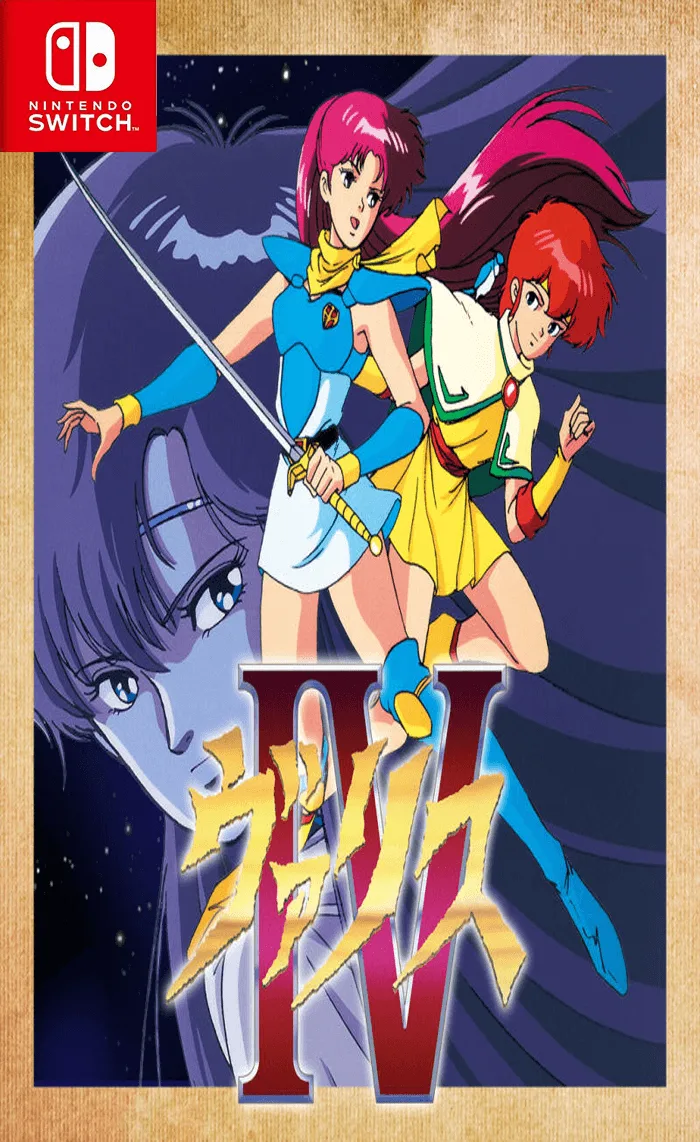
Valis IV Switch NSP Free Download Romslab brings the original PC Engine CD classic to a modern handheld setup, and it remains the version fans of the series point to when they talk about the “real” Valis IV. If you have only played Super Valis IV on the SNES, you are looking at a very different game. The elaborate cutscenes, the three-character structure, and the magic system all exist here in the form the developers intended. This updated article walks through what the game actually does, how its systems work, and what you should know before you load it up.
For anyone building a broader Switch library, you can also browse related releases like 1 2 Switch Switch NSP to round out your collection.
Technical Specifications
| Version | 1.0 (estimated) |
| File Size | 12 GB |
| Operating System | Windows / macOS / Linux / Android / iOS |
| Category | Nintendo Switch Games |
| License | Free |
| Developer | Charlotte White |
What Valis IV Actually Is
Valis IV is a side-scrolling action platformer originally released on the PC Engine CD in Japan. It follows directly from Valis III: Yuko has ascended to become the goddess of Vecanti and has protected the world for years. A tyrant named Galgear, imprisoned for fifteen years, breaks free when an evil red moon rises and kidnaps Yuko’s sister Valna. The duty of stopping him falls to Lena, a Vecanti soldier who inherits the Valis sword.
The SNES game sold in the States as Super Valis IV is a heavily altered port. Cutscenes were stripped out, level design changed, and the character roster was reworked. Aside from the broad story and a handful of locations, the two games play almost nothing alike. If you want the version with the full presentation and the intended pacing, this is the one to load.
Key Features
- Three playable characters with distinct movement: Lena is the default sword wielder, Amu brings a double jump and a boomerang attack, and Asfar is the slow, heavy bruiser who ignores spikes and ground hazards.
- Charging magic meter: Your spell charges automatically instead of using limited casts. You can fire it at three strength levels, with the strongest option costing you one meter level after use.
- Punishing hit feedback: Taking damage resets your magic charge to zero, which discourages spamming and forces you to time your casts.
- Red orb progression: Collect red orbs to raise attack power up to five levels, which also increases your maximum hit points.
- Forced character swapping: Certain sections require a specific character to pass, and the game leans on this mechanic more than it should.
- Save and rewind support: You can save and load anywhere and rewind after a mistake, which softens the difficulty spikes considerably.
- Sound and visual modes: An appreciation mode lets you revisit the game’s soundtrack and artwork outside of normal play.
How the Gameplay Holds Up
Lena’s controls feel responsive in a way that matters for a game of this era. Her sword swipes have a light, airy feel on contact, and her running speed builds as you hold a direction. Double-tapping the d-pad to sprint is clumsier than it needs to be, and in some stretches you will collide with an enemy every few seconds because the level design crowds the screen. Her secondary magic attack gives you a ranged option, and floating icons let you swap in a three-way spread, a homing shot, or temporary armor.
Amu is the more interesting of the three. Her boomerang hits twice and hits hard, but aiming it takes practice. Her double jump is the real draw, and you will use it constantly. Asfar fills the slow, strong role, and while his attacks are limited to ground travel, his immunity to spikes and hazards makes him the safest pick in trap-heavy stages. Yuko, despite being the series veteran, is the weakest link here: her attack is the softest and her slide no longer deals damage. She only becomes worthwhile in the late-game story sections built around her.
The level design is where Valis IV shows its age. Long, empty corridors carry over from earlier entries, and when the game tries to get elaborate it does so through forced character swaps rather than interesting layouts. The final stretch spikes in difficulty sharply, and the rewind feature is the main thing that keeps it tolerable.
Pros & Cons
- Pros: The full PC Engine CD presentation with cutscenes intact; three genuinely different characters; a magic system that rewards timing; save-anywhere and rewind support; sound and visual appreciation modes.
- Cons: Uneven level design with repetitive corridors; forced character switching that feels artificial; a steep late-game difficulty curve; the double-tap sprint input is awkward; Yuko is underpowered for most of the run.
Version Freshness and Publisher Details
This listing is maintained as an update post, and the file size and metadata above reflect the current package. The developer field lists Charlotte White, and the license is Free. Version numbering is estimated at 1.0 because the source material does not specify a build number — treat it as a label for the current package rather than a confirmed release tag.
No changelog was supplied with this update, so there are no patch notes to summarize. If you need to verify the file after downloading, compare the size against the 12 GB figure in the table above.
Installation Guidance
This is an NSP-format Switch package. To run it on a desktop or mobile setup, you will need a Switch emulator. Yuzu is the common choice; Ryujinx is the fallback when a title does not boot in Yuzu. The general flow is: install the emulator, create a profile, place your keys in a “keys” folder inside the emulator’s configuration directory, set the graphics backend (Vulkan or OpenGL), and map a Pro Controller or keyboard layout. Then create a game folder, point the emulator at it, and launch the title.
For updates and DLC, download the .nsp file and place it in the same game folder before opening the emulator. The emulator will pick it up from there.
If you want more options in the same category, the 1 Catline Switch NSP release is a lighter alternative to test your emulator setup before committing to a larger download.
Who This Is For
Valis IV suits players who want the authentic PC Engine experience rather than the SNES compromise, and who are comfortable with 1990s action-platformer difficulty. The rewind feature makes it approachable for newcomers, but the forced swapping and corridor-heavy stages will test your patience. If you are specifically chasing the Super Valis IV version, this is not a substitute — it is a different game with the same story.
Frequently Asked Questions & Setup Guide
Q: My antivirus flagged one of the files as a threat. Is this game safe?
A: Yes, all files on our site are 100% verified clean. Antivirus software may occasionally flag steam_api.dll or crack files as false positives due to modified game binaries. Temporarily whitelist the game directory before extracting.
Q: I get a missing DLL error (e.g., VCRUNTIME140.dll, MSVCP140.dll, or D3DCOMPILER). How do I fix it?
A: Missing DLL errors indicate missing Windows system libraries. Ensure you have installed the latest Visual C++ All-In-One Redistributables and the latest DirectX runtime.
Q: Where are my game save files located?
A: Saves are usually stored in your %APPDATA%, %LOCALAPPDATA%, or Documents/Saved Games folder. Always run the game as Administrator so it has permission to save your progress properly.
Q: Can I play online or multiplayer with friends?
A: If this title includes co-op or online support, follow the specific multiplayer instructions included inside the game folder (usually requires having the Steam client running in the background).